
July 21, 2026 · 2 min read
Half day, full day, or week
Most people book the wrong unit — not because they misjudge the shoot, but because they forget what happens either side of it.
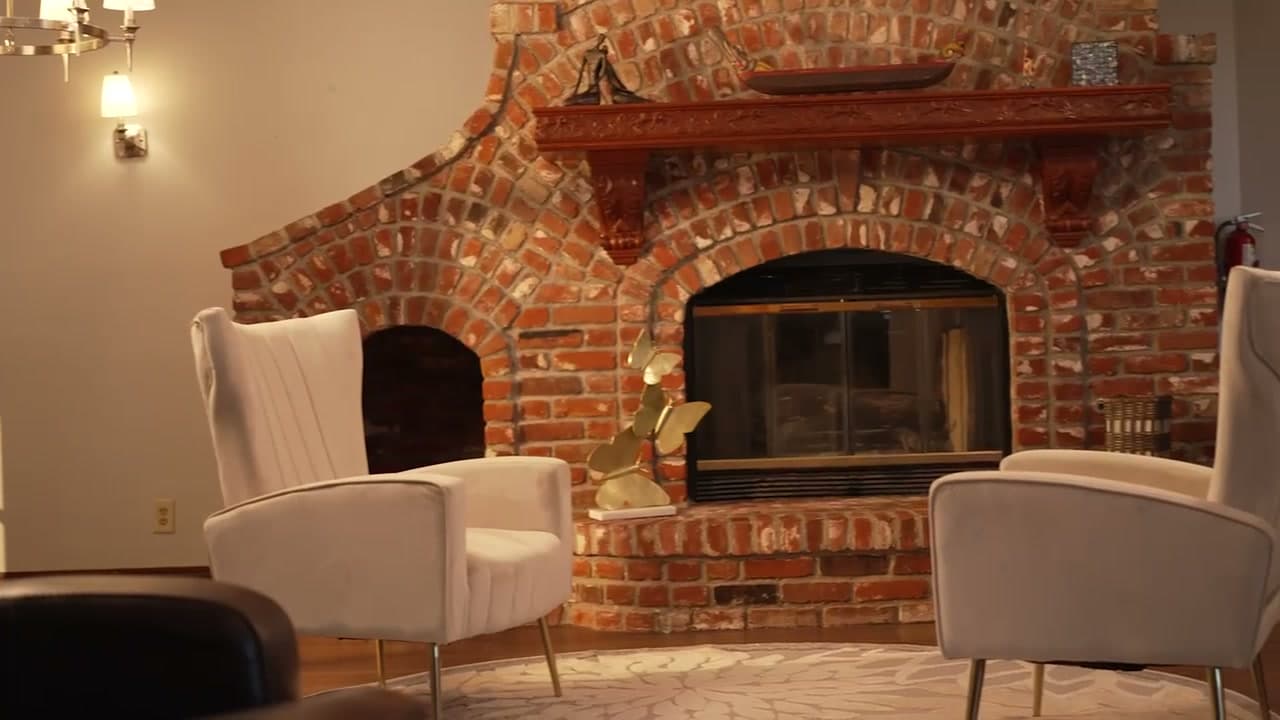
Most people book the wrong unit. Not because they misjudge the shoot, but because they forget what happens either side of it.
The half day is shorter than it sounds
Four hours, morning or afternoon. That is enough for a interview, a handful of product shots, a self-tape session, or a scene you have already blocked elsewhere.
It is not enough for anything that needs building. By the time a two-person crew has loaded in, run power, set a key, and put a card in the camera, you have spent an hour. If your first setup is complicated, the half day is really two and a half hours of shooting.
Book it when you know exactly what you are doing and you have done it before.
The full day is the honest default
Eight hours across both slots. Room to light properly, to change your mind once, and to get the coverage rather than the minimum.
If you are shooting narrative, if there is talent on the call sheet, or if anyone on the crew has not worked in the room before — take the day. The difference in cost is smaller than the cost of not finishing.
The week is not seven day rates
Seven consecutive days at a reduced rate, from any start date. The saving is real, but that is not usually why people take it.
They take it because the set stays up. Nothing is struck at wrap, nothing is rebuilt in the morning, and the lighting you spent Tuesday perfecting is still there on Wednesday. For anything with a standing set or a long shoot list, the week buys continuity more than it buys discount.
What to actually do
Work out your first setup, then add an hour before it and half an hour after. If that still fits in four hours, book the half day. If it does not, you were never booking a half day — you were hoping.
Written by Seven Film Studios · booking, practical